

Durante mucho tiempo entendimos el aula como un lugar delimitado por paredes, mesas y una pizarra. Un espacio diseñado para transmitir contenidos, evaluar resultados y cumplir objetivos curriculares. Sin embargo, hoy sabemos que el verdadero aprendizaje no ocurre únicamente en el plano cognitivo, sino en el emocional. El aula es, ante todo, un espacio relacional. Es el lugar donde se cruzan historias, creencias, expectativas, miedos y potencialidades. Cada estudiante no entra solo con su cuaderno: entra con su estado emocional. Y ese estado influye directamente en su capacidad de atención, memoria, comprensión y participación. La neurociencia ha sido clara al respecto: no hay aprendizaje sin emoción. El cerebro aprende mejor cuando se siente seguro, cuando percibe confianza, cuando el error no es una amenaza sino una oportunidad. En cambio, el miedo, la presión excesiva o la desconexión emocional activan mecanismos de defensa que bloquean la curiosidad y reducen la capacidad de procesamiento. Por eso, el aula no son cuatro paredes. Es el clima emocional que el docente construye día a día con su lenguaje, su actitud y su forma de relacionarse. Cada palabra puede abrir o cerrar posibilidades. Cada mirada puede validar o inhibir. Cada intervención puede sembrar creencias limitantes o fortalecer la autoconfianza. Desde el Neurolanguage coaching® sabemos que el lenguaje no solo describe la realidad: la crea. Cuando en el aula cambiamos el foco del juicio por el de la exploración, del “no puedo” al “¿cómo podría?”, del error como fracaso al error como información, estamos transformando el espacio emocional en el que ocurre el aprendizaje. Un aula emocionalmente segura no es un aula sin exigencia. Es un aula donde la exigencia está acompañada de sentido, acompañamiento y coherencia. Es un espacio donde se aprende contenido y también se aprende a pensar, a sentir, a vincularse y a confiar en las propias capacidades. En definitiva, el aula no es solo un lugar donde se enseña. Es un espacio donde se configuran identidades. Y cuando comprendemos esto, dejamos de diseñar clases únicamente para transmitir información y comenzamos a diseñar experiencias que transforma

What mountains taught me
Mountains don’t speak, but they teach. They don’t give clear instructions. I realized that every step I take in the mountains is also a step inward, and that many of those lessons are deeply connected to emotional intelligence. The mountains taught me : patience. You can’t rush a climb or force your body to go faster .The mountain makes I respect timing, accept my own pace, and understand that moving slowly is still moving forward. Another powerful lesson is emotional management. In the mountains, emotions show up clearly—fear, exhaustion, doubt. I learned that it’s not about ignoring those feelings, but about listening to them and choosing how to respond. Emotional intelligence works the same way: feeling isn’t the problem; reacting without awareness is. The mountains also taught me humility. No matter how experienced you think you are, there’s always something you can’t control—the weather or your own mental and physical state. Accepting this helps me recognize mistakes, ask for help, and learn from others, all key parts of strong emotional intelligence. Spending time in the mountains also strengthens my connection with myself. The silence, the steady breathing, and the focus on the present moment make it easier to listen to my thoughts and emotions that usually get lost in everyday noise. This kind of self-awareness is the foundation of emotional intelligence: knowing myself . The mountains teach me that reaching the summit matters, but it’s not everything. The real growth happens along the way—in how I face challenges and what I discover about myself in the process. Just like emotional intelligence, it’s not about avoiding difficulties, but about growing through them. The mountain remains the same, but the person who walks it never does.
Lo que me enseñó la montaña
La montaña no habla, pero enseña. No da instrucciones claras, pero quien se acerca a ella con atención aprende lecciones profundas que van más allá del esfuerzo físico. Con el tiempo entendí que cada paso en la montaña es también un paso hacia el interior, y que muchas de sus enseñanzas están estrechamente ligadas a la inteligencia emocional. La primera gran lección que me dio la montaña fue la paciencia. No se puede apurar una subida ni exigirle al cuerpo más de lo que puede dar. La montaña obliga a respetar los tiempos, a aceptar el ritmo propio y a comprender que avanzar lento también es avanzar. Esto se relaciona directamente con la inteligencia emocional: reconocer nuestros límites, regular la frustración y no castigarnos por no llegar “tan rápido” como otros. Otra enseñanza fundamental es la gestión de las emociones. En la montaña aparecen el miedo, el cansancio, la duda y, a veces, el deseo de abandonar. Aprendí que no se trata de negar esas emociones, sino de escucharlas y decidir con claridad qué hacer con ellas. La inteligencia emocional funciona igual: sentir no es un problema, el verdadero desafío es responder de manera consciente a lo que sentimos. La montaña también me enseñó la humildad. No importa cuánta experiencia creas tener, siempre hay algo que no puedes controlar: el clima, el terreno, tu propio estado físico o mental. Aceptar esto desarrolla la capacidad de reconocer errores, pedir ayuda y aprender de los demás, habilidades claves de una inteligencia emocional madura. Además, estar en la montaña fortalece la conexión con uno mismo. El silencio, la respiración y la concentración en el presente ayudan a escuchar pensamientos y emociones que en la rutina diaria suelen quedar tapados por el ruido. Esta autoconciencia es la base de la inteligencia emocional: conocerte para poder cuidarte y tomar mejores decisiones. La montaña enseña que llegar a la cima es importante, pero no lo es todo. El verdadero aprendizaje está en el proceso, en cómo enfrentas las dificultades y en lo que descubres de ti en el camino. De la misma manera, la inteligencia emocional no se trata de evitar problemas, sino de crecer a partir de ellos. La montaña no cambia, pero quien la transita sí. Y en ese cambio silencioso se construye una relación más sana con nuestras emociones y con nosotros mismos

The power of routines: calming the limbic system to create an environment ready for teaching and learning
Free image Unsplash Javardh

“A place to breathe: why school matters more than ever”
In a world that feels like it’s speeding up every day, it’s easy to forget how much children need moments of calm, connection, and stability. Everything around them changes so quickly—technology, routines, relationships, even the expectations placed on them. And in the middle of all this movement, school becomes a place that helps them feel grounded. From what we know in neuroscience, children’s brains grow best when they feel safe, when life is predictable, and when they have real human interactions. And Positive Discipline keeps reminding us of something simple but essential: kids learn better when they feel belonging and significance. This is why school is so much more than lessons and homework.It’s a place where children:✔ feel supported✔ learn to listen and be listened to✔ make mistakes and repair them✔ discover how to collaborate✔ meet people who are different from them✔ and practice being part of a community In a world that often pulls us apart, school brings us closer.In a world that rushes, school slows the pace just enough.And in a world that can feel confusing, school gives children a sense of direction. This isn’t extra.This is mental health, belonging, and human connection—and it matters more than ever.

«Anclas en tiempo de vértigo»
La escuela como espacio de encuentro Hoy vivimos en un mundo que cambia más rápido de lo que nuestra mente —y especialmente la mente infantil— puede procesar. Las rutinas se vuelven inestables, la información llega en exceso y la presión por “ir más rápido” parece filtrarse en todos los rincones de la vida. En medio de este vértigo, la escuela se convierte en algo más que un espacio educativo: es un espacio que sostiene, acompaña y humaniza. Desde lo que sabemos en neurociencia, el cerebro infantil necesita tres pilares esenciales para desarrollarse de manera saludable:seguridad, conexión y predictibilidad.Cuando estos elementos están presentes, se activan los circuitos cerebrales que permiten aprender, autorregularse, crear, vincularse y tomar decisiones. Cuando faltan, el cerebro se pone en modo supervivencia, y ahí no hay aprendizaje posible. La escuela, cuando está bien acompañada y bien mirada, ofrece justamente esos pilares:✔ Rutinas que contienen y dan estabilidad.✔ Vínculos humanos que modelan empatía, respeto y cooperación.✔ Experiencias sociales reales, no virtuales, que construyen habilidades para la vida.✔ Un sentido de pertenencia, tan necesario como el alimento para el desarrollo emocional. Además, en tiempos de polarización y distancia emocional, los colegios siguen siendo uno de los pocos lugares donde se aprende a convivir con personas distintas, a esperar turnos, a negociar, a reparar errores, a escuchar y ser escuchado. Son aprendizajes invisibles que no aparecen en los currículums, pero que determinan profundamente la salud mental y la capacidad de relacionarse en la vida adulta. La escuela también cumple una función que a veces olvidamos:da ritmo.En un entorno que acelera, la escuela marca pausas, ofrece estructura y acompasa. Esto reduce el estrés tóxico y ayuda al sistema nervioso a regularse. Y, finalmente, la escuela orienta. En un mundo que puede resultar confuso y saturado para muchos niños y niñas, el espacio escolar funciona como una brújula emocional y social: un lugar donde pueden explorar quiénes son, cómo se relacionan con los demás y cómo interpretan el mundo que los rodea. Por eso, la escuela no es un “extra” ni un simple espacio académico.La escuela es prevención en salud mental, es tejido social, es comunidad.Y en momentos de tanta incertidumbre, se vuelve un pilar imprescindible para sostener la infancia y acompañar a las familias.
La educación en tiempos de IA: enseñar como aprende el cerebro
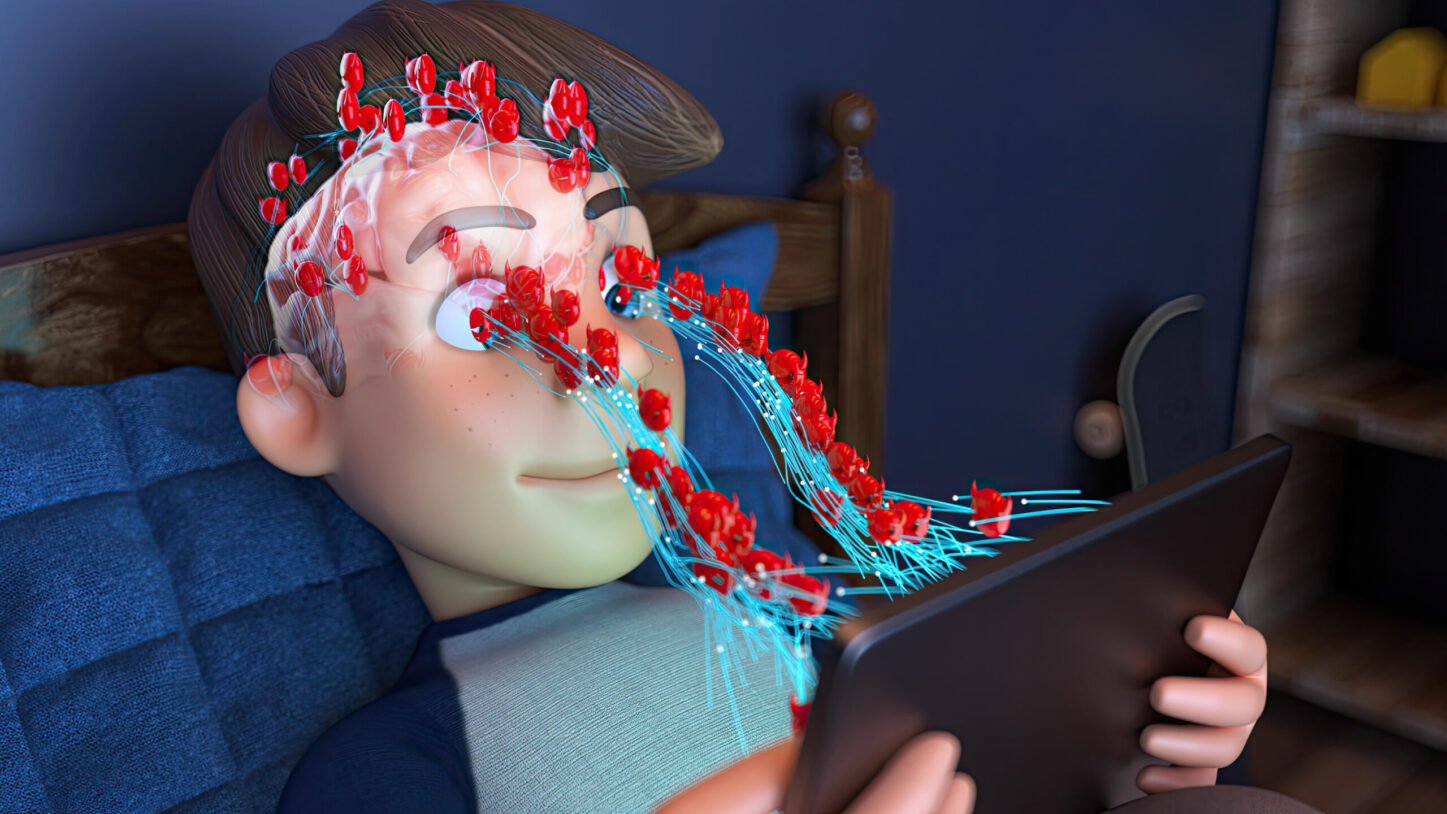
La Inteligencia Artificial avanza a una velocidad que ya dejó de sorprendernos. Está presente en nuestras conversaciones, nuestro trabajo y nuestras decisiones diarias. Pero lo más interesante es que la IA funciona siguiendo principios muy parecidos a los del cerebro humano: reconoce patrones, aprende de la experiencia, ajusta sus respuestas y mejora con el tiempo. Justo como aprendemos nosotros. Este paralelismo nos plantea una pregunta clave para el mundo educativo: Si la IA se inspira en el funcionamiento del cerebro, ¿por qué no enseñamos de una manera que también lo haga? Aquí es donde entra en juego la educación cerebro compatible, una forma de enseñar que respeta la manera natural en la que el cerebro procesa, comprende y retiene información. No se trata de una moda; es una necesidad en un contexto donde la tecnología y la neurociencia avanzan juntas. Cuando aplicamos estrategias compatibles con el cerebro, el aprendizaje se vuelve más significativo: reducimos la sobrecarga cognitiva, activamos conocimientos previos, fomentamos la curiosidad y creamos ambientes seguros para pensar, equivocarse y volver a intentar. Y eso, en plena era de la IA, es más urgente que nunca. Porque mientras la tecnología continúa expandiéndose y transformando nuestras sociedades, nuestro valor como educadores no está en competir con la IA, sino en potenciar lo que nos hace profundamente humanos: la creatividad, el pensamiento crítico, la empatía. La combinación de IA y enseñanza basada en el cerebro no busca reemplazar a nadie. Busca amplificar el aprendizaje y preparar a estudiantes capaces de entender el mundo y no sólo de responder al mundo. La pregunta ya no es si la IA transformará la educación. La pregunta es: ¿estamos enseñando de la manera en que el cerebro realmente aprende?

Connecting before correcting: why feedback fuels learning success”
Strong learning relationships are built one positive interaction at a time. Each authentic moment of praise or encouragement activates the brain’s reward system — releasing dopamine, a neurotransmitter linked to motivation and pleasure. When a teacher provides genuine positive feedback, the student’s brain releases dopamine, leading to feelings of satisfaction and motivation to repeat the experience. As students invest more attention and effort into developing their skills, their competence grows. Psychological safety in learning Positive relationships cultivate a sense of psychological safety .When students feel secure and supported, they are more willing to participate, ask questions, and take intellectual risks. They view challenges as opportunities for growth rather than as threats to their self-esteem. Feedback and language learning Learning a new language is inherently challenging. It exposes learners to unfamiliar sounds, structures, and cultural frameworks — often triggering anxiety or self-doubt. Here is where rapport becomes transformative.When learners feel genuinely respected and supported by their teachers, they are more open. This emotional security promotes authentic engagement, experimentation with new vocabulary and grammar, and deeper communicative competence. Rapport also strengthens motivation. Just as positive feedback sparks dopamine release. When students feel appreciated Key elements in feedback Empathy: Show understanding and compassion. Open Communication: Create a safe space for honest dialogue and feedback. Trust: Build reliability and fairness into every interaction. Positive Interactions: Use eye contact, smiles, and supportive body language. Respect: Honour diverse perspectives, fostering inclusivity and dialogue. Shared Experiences: Integrate collaborative projects and real-world connections. Optimism: Maintain an encouraging classroom atmosphere that inspires curiosity. Authenticity: Teach sincerely and transparently; students sense and respond to genuine care. Recognition: Celebrate effort and improvement, not just results.Praise effort, not just achievement. Reinforce the learning process rather than perfection. Normalize mistakes: Remind students that challenges are part of growth . Activate prior knowledge. Invite students to share what they already know and link it to new content. Rapport lies at the heart of effective language teaching. By nurturing trust, empathy, and open communication, educators create conditions where students feel safe to take risks, make mistakes, and grow. This emotional connection drives motivation, engagement, and long-term success. When teachers intentionally build rapport, they do more than teach a language — they empower learners to believe in their abilities, connect meaningfully with others, and embrace lifelong learning
Rewiring the Brain
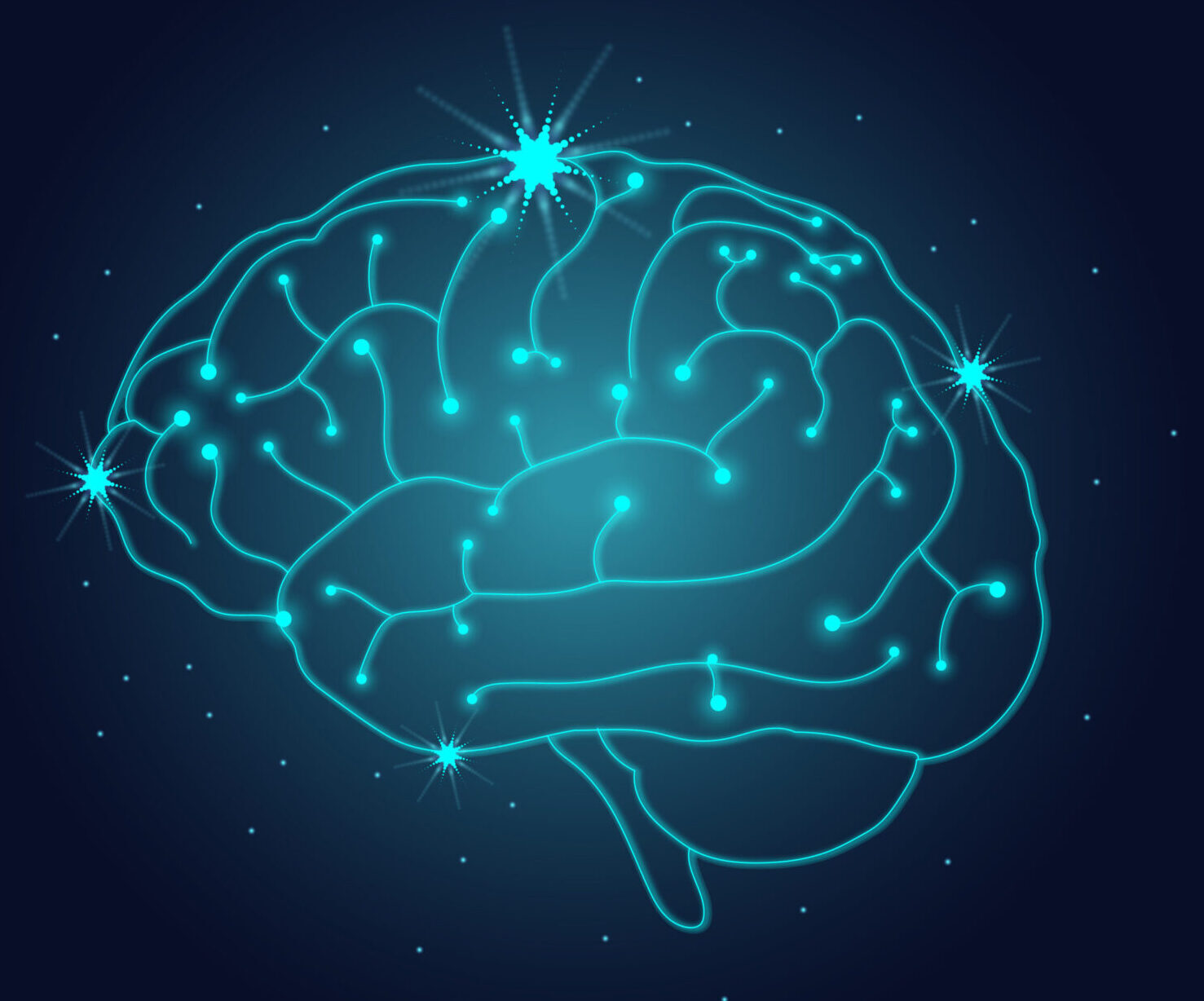
How Neuroplasticity Transforms English Learning Have you ever wondered why some students seem to “get it” faster than others when learning English? The answer isn’t just about talent or memory—it’s about the brain’s incredible ability to change and adapt, a phenomenon known as neuroplasticity. Neuroplasticity refers to the brain’s capacity to reorganize itself by forming new neural connections throughout life. Every time a learner practices a new word, hears a different accent, or applies grammar in context, their brain literally reshapes itself. This means that learning English—or any subject—is not fixed by age or ability, but driven by experience, emotion, and repetition. For educators, especially those teaching English, understanding neuroplasticity changes everything. Instead of seeing mistakes as failures, we can view them as proof of the brain at work, actively building stronger neural pathways. Each “error” is evidence of learning in progress. When teachers create safe, motivating environments where students feel confident to try, fail, and try again, they are fueling the very process of neuroplastic growth. One key to activating neuroplasticity in the classroom is emotion. Neuroscience shows that emotion strengthens learning by making experiences memorable. When English lessons are meaningful, playful, and connected to students’ real lives, the brain releases dopamine—a neurotransmitter that enhances focus and retention. Simple strategies such as storytelling, songs, or role-playing can make language learning both engaging and neurologically effective. Another powerful factor is repetition with variation. The brain needs multiple, slightly different exposures to new information to strengthen connections. So instead of drilling vocabulary the same way each time, teachers can encourage students to use new words in conversations, games, or writing tasks. Each variation builds a richer neural network for language use. Finally, educators themselves benefit from embracing neuroplasticity. Understanding that our own teaching habits and beliefs can evolve empowers us to experiment, reflect, and grow alongside our students. In this way, neuroeducation reminds us that learning is not a linear journey—it’s a dynamic process of brain change, available to all of us, at any age. When we teach with the brain in mind, we don’t just teach English— we teach students how to learn, adapt, and thrive.

What if we gave students one hour to just be themselves?
Imagine this:One hour a week where students don’t follow a program, don’t repeat content, and don’t wait for instructions.An hour, where they can explore their passions, investigate what intrigues them, and create freely. It’s called Genius Hour, and it’s already transforming classrooms around the world. Why does it work? Because when we love something, we don’t need a push — it pulls us in.But in today’s schools: Too often, the system rewards obedience, not autonomy. Students “play school.” They go to pass, not to learn.What if we flipped that? From the classroom… to the real world! Companies like Google and 3M discovered years ago that giving employees time to follow their passions leads to innovation.That’s how Gmail, Google Maps — even the famous post-its — came to life! Inspired by that idea, many teachers introduced Genius Hour into their classrooms:One hour a week where students work on a personal project, led by their own curiosity. What do students gain? Best of all? They feel heard. They have voice and choice.And when that happens, learning becomes powerful. As educators… Are we teaching kids to be obedient?Or to be curious, creative, and passionate?The world needs more of the latter. Maybe all it takes is one hour.One hour that can change everything Step by step