

La mentalidad creativa es una forma de pensar y actuar que promueve la innovación y el crecimiento personal, y su implementación requiere un enfoque deliberado y un entorno de apoyo. DESARROLLO. Mentalidad creativa. La creatividad es la capacidad de generar nuevas ideas o conceptos y, con esta habilidad, nuestro cerebro logra conectar dos o más ideas que ya conocemos, con la finalidad de resolver algún tipo de problema. Puede ser también definida como un “pensamiento original” Pasos para desarrollar la creatividad. Existen diferentes técnicas para desarrollar la creatividad como por ejemplo: La imaginación juega un papel fundamental en el desarrollo de la creatividad. La imaginación es la capacidad de crear imágenes mentales y representaciones abstractas en nuestra mente. Es a través de la imaginación que podemos visualizar posibilidades y explorar ideas que aún no existen en el mundo real. La imaginación nos permite pensar más allá de lo convencional y encontrar soluciones innovadoras a los problemas.

The importance of being calm-
Calmness is the cradle of power. 🙂 Agree? Clarity of Thought – A calm mind allows you to think logically and make better decisions. Emotional Control – Staying calm helps prevent reactive behavior, leading to more measured responses. Influence and Presence – Calmness projects confidence and authority, making others more likely to trust and follow you. Resilience Under Pressure – Calmness helps you handle setbacks and challenges without losing focus. Strategic Advantage – A composed mind can assess situations accurately and respond with precision, giving you an edge in conflict or negotiation. Our brain is the director on stage, just only with right tools in the right moment …Let´s discover the pathway! Unsplash image Merch Hüsey

The Power of Yet: Unlocking your true potential with a Growth Mindset
Have you ever felt stuck? Maybe you’ve caught yourself—or your child—saying things like:«I’m not a math person.»«I’m terrible at public speaking.»«I just can’t do it.» What if the only thing missing was one tiny word? Yet. «I’m not a math person… yet.»«I just can’t do it… yet.» That’s the simple, transformative idea behind a growth mindset—the belief that your intelligence, talents, and abilities aren’t fixed. You can develop them through effort, strategies, and feedback. In other words: you’re capable of more than you think. What is a Growth Mindset? It was coined by psychologist Carol Dweck, a growth mindset is the understanding that skills can be learned, not just inherited. It contrasts with a fixed mindset, which assumes our abilities are set in stone. The difference is powerful: Fixed mindset says: “If I fail, it means I’m not smart.”Growth mindset says: “If I fail, it means I’m learning.” Why It matters — Especially for kids and educators When we teach children (and ourselves) that effort leads to growth, we can: It’s not just about achievement—it’s about mindset. A growth mindset nurtures self-confidence and emotional flexibility, helping us bounce back from setbacks and stay curious. A Simple Shift You Can Make Today Next time you or your child says, “I can’t do this,” try adding:“…yet.”

Why storytelling is a superpower in the early years
In the world of early childhood education, stories aren’t just a pleasant part of the day — they’re powerful tools for growth. From Reception through Year 1, storytelling helps young learners build the foundations of language, emotion, and empathy in ways nothing else quite can.(Freepick image) Words that Work Language development is a cornerstone of early learning, and storytelling supercharges it. Children absorb language best through listening, and being read to introduces them to words and sentence structures they wouldn’t encounter in everyday speech. Think of stories as a delivery system for vocabulary. The phrases and descriptive language found in books are rich, varied, and just challenging enough to stretch young minds. This vocabulary isn’t just for speaking — it supports memory, problem-solving, and even emotional regulation. Safe Spaces for Big Feelings But it’s not all about words. Stories also open emotional doors. They allow children to witness fear, joy, sadness, and triumph — all at a safe distance. When characters make mistakes or face dilemmas, children learn to process these events and reflect on how they might feel or act in a similar situation. Storytime can be interactive: pause and ask, What do you think he’s feeling? What would you do next? These questions spark empathy. Children begin to consider other perspectives, develop emotional vocabulary, and engage in thoughtful dialogue about human behavior. In the end, storytelling in the early years isn’t just about tales. It’s about teaching children how to be thoughtful, expressive, and empathetic people. And that’s a superpower worth nurturing.
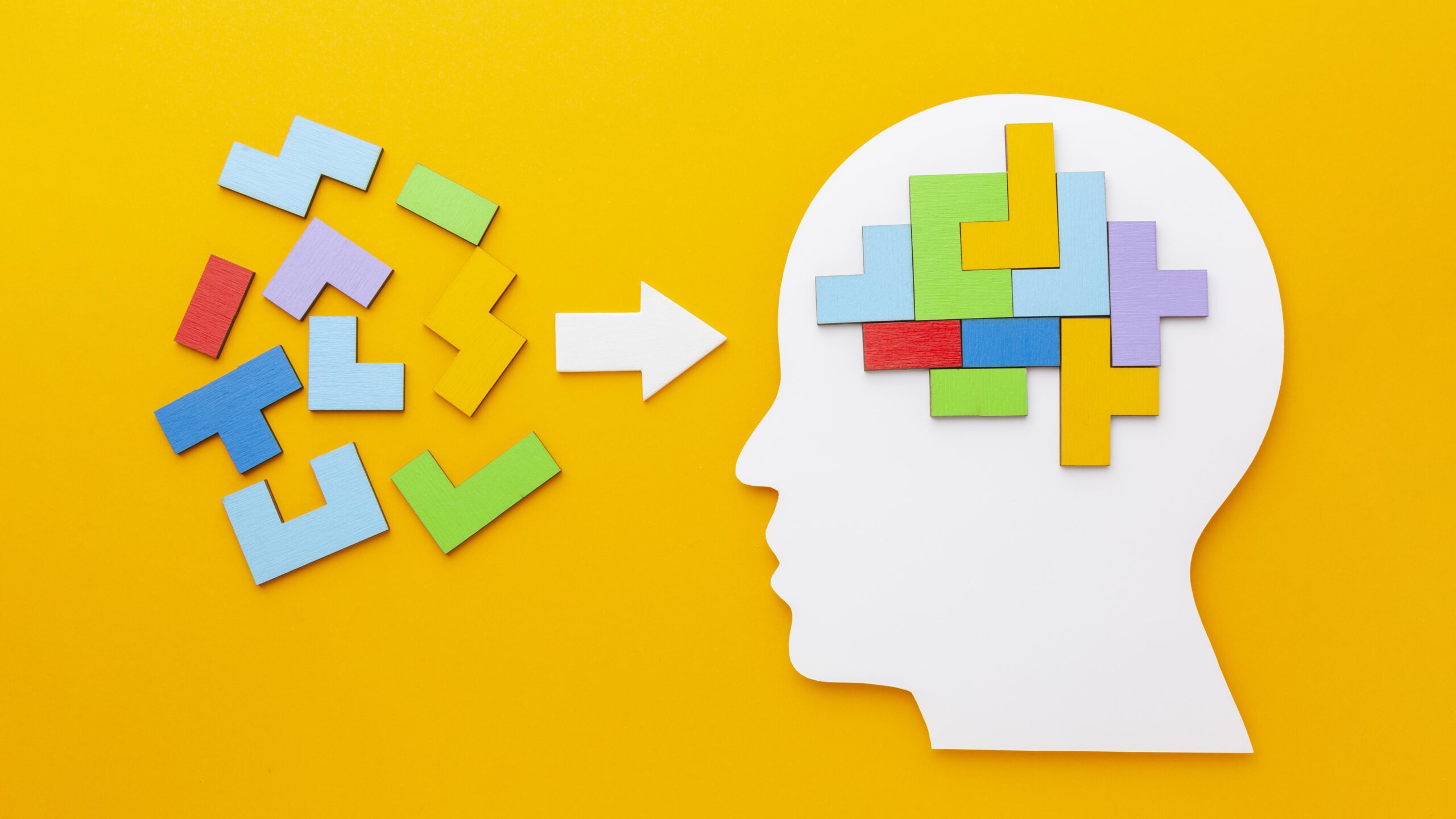
«El Poder de la Creatividad: Clave para un Aprendizaje Efectivo»
imagen Freepick

Let´s play music in the class
Music is an amazing tool for teching languages Songs are a wonderful resource for the class. Why? Because they: Develop the ear Teaching pronuntiation,intonation,stress Use repetitive language Songs have: Beat Rhyme &rhythm Language in context Lots of repetition Songs are an excellent tool for: Transitions TPR Phonological awareness Comprehension Language awareness How to teach songs to kids: Teach the chorus Teacher plays 1 line and children repeat the words: be the echo and sing the line back to you. Use visual cues to start your songs Record the children singing. It is an amazing tool! Music inspires moments, creates memories and calms beasts. Music can set a mood! Play music as background music right from the start of the lesson. Let´s music in our hearts

Somos seres emocionales viviendo una experiencia humana.
Freepick image
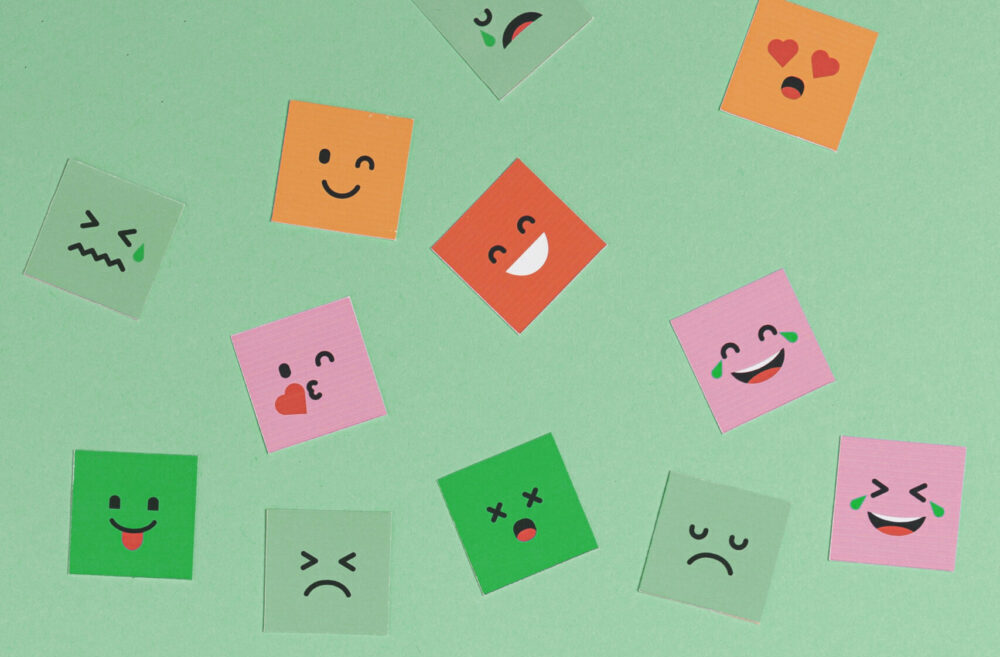
Las Neuronas Espejo: ¿Por qué imitar es tan importante en el aprendizaje?
¿Sabías que cuando ves a alguien hacer algo, tu cerebro lo «imita» sin que lo intentes? Esto se debe a las neuronas espejo, un tipo especial de células cerebrales que permiten a nuestro cerebro comprender las acciones de los demás, y más importante aún, aprender de ellas. Breve reseña sobre el descubrimiento de las neuronas espejo Las neuronas espejo fueron descubiertas en 1992 por un grupo de neurocientíficos italianos liderados por Giacomo Rizzolatti en la Universidad de Parma. Mientras investigaban el cerebro de los monos, notaron que ciertas neuronas se activaban no solo cuando el animal realizaba una acción, sino también cuando observaba a otro realizarla. Este hallazgo sorprendió a los investigadores, ya que, hasta ese momento, se pensaba que las neuronas solo se activaban por la acción directa. El descubrimiento de estas neuronas reveló que el cerebro no solo responde a las acciones propias, sino también a las de los demás, permitiéndonos entender y replicar comportamientos sin necesidad de practicarlos nosotros mismos. Este fenómeno fue clave para comprender el aprendizaje social, la empatía y las bases neuronales de la imitación. Este hallazgo abrió nuevas puertas para entender cómo los seres humanos y otros animales aprenden, se conectan emocionalmente y desarrollan habilidades sociales. Estas neuronas tienen un papel fundamental en el aprendizaje social y emocional. Nos ayudan a comprender las emociones, a ponernos en el lugar de los demás y a replicar conductas. En el ámbito escolar, las neuronas espejo son clave para el aprendizaje de habilidades sociales y académicas. Cuando los estudiantes observan a sus compañeros o maestros, están imitando, internalizando y aprendiendo no solo la información, sino también cómo interactuar y comunicar sus emociones. De ahí la importancia de los modelos a seguir: un maestro apasionado, un compañero motivado o una buena conducta en grupo activa estas neuronas y facilita el proceso de aprendizaje. En nuestra vida diaria, las neuronas espejo nos permiten aprender sin necesidad de experiencia directa, solo observando. Ya sea que estemos aprendiendo a cocinar al ver a alguien hacerlo o empatizando con un amigo triste, nuestras neuronas espejo nos conectan con los demás, haciéndonos más humanos. ¡Así que la próxima vez que veas a alguien hacer algo, recuerda que tu cerebro está listo para imitar y aprender de ello! Las neuronas espejo están trabajando para que te conectes con el mundo de manera más profunda y significativa.

Enjoying learning a language
Assessment is a milestone in education When assessing oral work with very Young learners. It is important to provide a supportive and encouraging environment, vocabulary usage, pronunciation, and communication skills. Opportunities are crucial to practice their oral skills regularly, offer cosntructive feedback, and celebrate their progress(a portfolio is a great tool) Remember the Silent Period: ¾ years olds may remain silent for 6 months to 1 year. Young learners first absorb rather than produce a language. It is important make corrections in a way that won´t hurt their feelings. (lymbic system is essential in learning) Freepick imagen Some tips: Enthusiasm gives them opportunities to gain confidence.Giving positive feedback and congratulate them on what they do, knowing how to turn games and activities into language learning opportunities, including movement so children (and adults)learn through what is known as the Total Physical Response. Some tips in very Young learners clases: Teaching English to kids is a magical journey, when every step is fulled of resources and new opportunities envolving them in real situations, implicit learning is the key on this stage of learning process.

¿Sabías que escribir a mano tiene grandes beneficios para nuestro cerebro y nuestro aprendizaje?
En la era digital en la que vivimos, cada vez usamos menos el lápiz y el papel. Con el uso de computadoras, móviles y tabletas, escribir a mano parece estar quedando en el pasado, incluso en las escuelas. Imagen Freepick 1. Ayuda a mejorar la memoria y el aprendizaje Escribir a mano no solo nos ayuda a recordar lo que aprendemos, sino que también nos permite procesar mejor la información. Al escribir con nuestras propias palabras, el cerebro trabaja más para entender y organizar los conceptos. Esto también mejora nuestra capacidad de análisis, algo muy útil cuando estudiamos o usamos esquemas y mapas. 2. Fomenta la creatividad Cuando escribimos a mano, damos tiempo a nuestro cerebro para pensar y organizar ideas. Este proceso estimula nuestra creatividad y mejora nuestra capacidad para resolver problemas. La escritura manual, al ser más lenta y reflexiva, nos ayuda a pensar mejor y con mayor claridad. 3. Mantiene el cerebro activo Escribir a mano también ayuda a mantener el cerebro activo, lo cual es esencial para prevenir problemas cognitivos a medida que envejecemos. Actividades como escribir, dibujar o hacer rompecabezas pueden reducir el riesgo de enfermedades como el Alzheimer y la demencia senil. 4. Reduce el estrés Muchos encuentran que escribir a mano es una forma de relajarse. Similar a actividades como colorear, escribir puede ser una excelente manera de liberar tensiones y reducir el estrés. La concentración que requiere escribir nos permite desconectar de las preocupaciones del día a día. 5. Mejora la concentración A diferencia de escribir en un dispositivo, donde las distracciones son constantes, escribir a mano nos obliga a concentrarnos en lo que estamos haciendo. Nos ayuda a evitar la multitarea y a centrarnos completamente en la tarea en cuestión, lo cual mejora nuestra productividad y calidad del trabajo. Escribir a mano es mucho más que una habilidad. Es una forma de mejorar nuestra memoria, creatividad y bienestar emocional. Así que, aunque la tecnología sea parte de nuestra vida diaria, no olvidemos los beneficios de poner el lápiz sobre el papel. Nuestro cerebro nos agradecerá escribir a mano!