
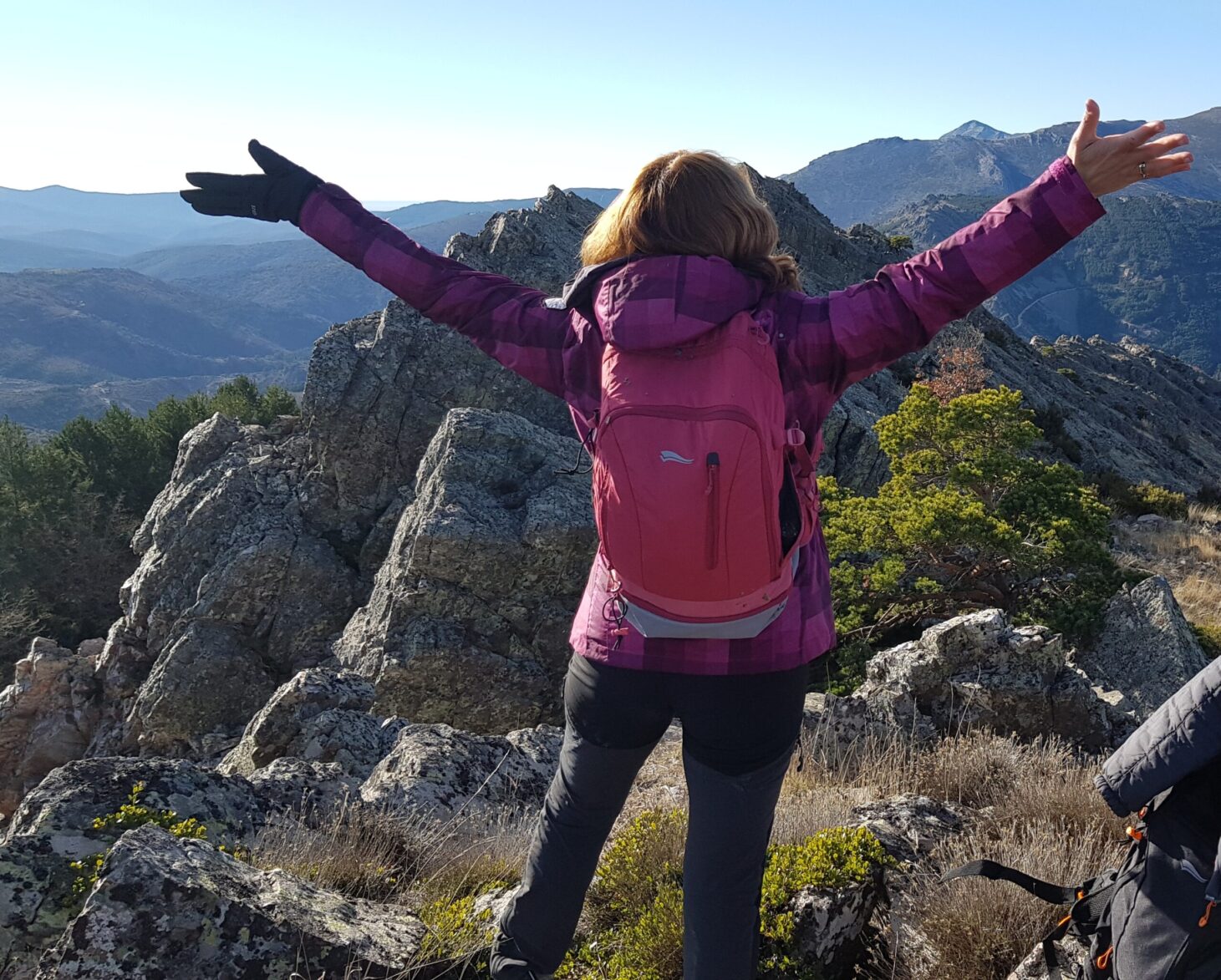
Mountains don’t speak, but they teach. They don’t give clear instructions. I realized that every step I take in the mountains is also a step inward, and that many of those lessons are deeply connected to emotional intelligence.
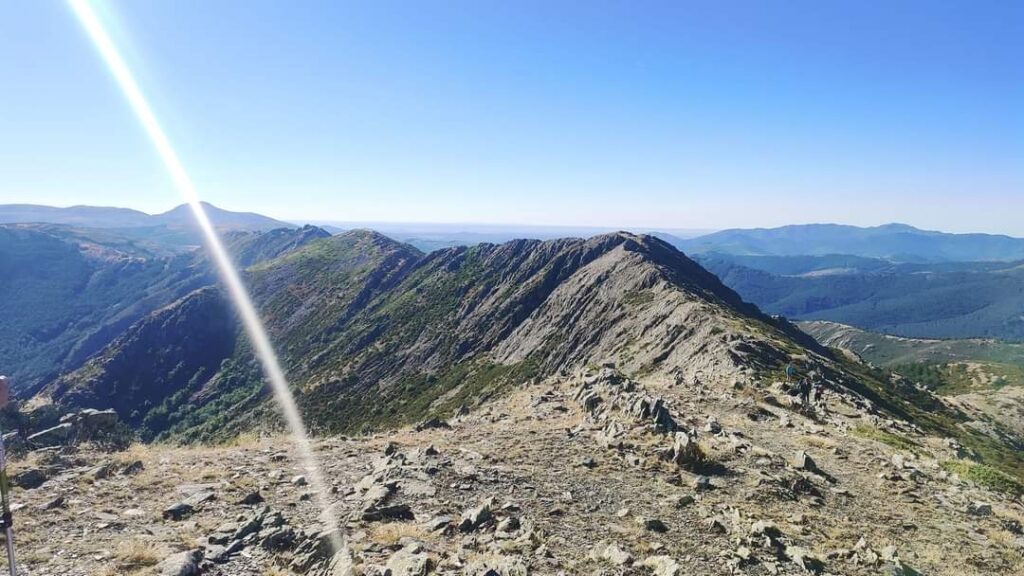
The mountains taught me : patience. You can’t rush a climb or force your body to go faster .The mountain makes I respect timing, accept my own pace, and understand that moving slowly is still moving forward.
Another powerful lesson is emotional management. In the mountains, emotions show up clearly—fear, exhaustion, doubt. I learned that it’s not about ignoring those feelings, but about listening to them and choosing how to respond. Emotional intelligence works the same way: feeling isn’t the problem; reacting without awareness is.
The mountains also taught me humility. No matter how experienced you think you are, there’s always something you can’t control—the weather or your own mental and physical state. Accepting this helps me recognize mistakes, ask for help, and learn from others, all key parts of strong emotional intelligence.
Spending time in the mountains also strengthens my connection with myself. The silence, the steady breathing, and the focus on the present moment make it easier to listen to my thoughts and emotions that usually get lost in everyday noise. This kind of self-awareness is the foundation of emotional intelligence: knowing myself .
The mountains teach me that reaching the summit matters, but it’s not everything. The real growth happens along the way—in how I face challenges and what I discover about myself in the process. Just like emotional intelligence, it’s not about avoiding difficulties, but about growing through them.
The mountain remains the same, but the person who walks it never does.